Check out this 17th century coffee table book ordered by Ferdinando II de Medici to flex in front of his dukely friends
This portfolio / catalogue / manual / laboratory notebook came out of the first experimentally-oriented scientific society in Europe: 3 years before the Royal Society, 9 years before the French Academy.
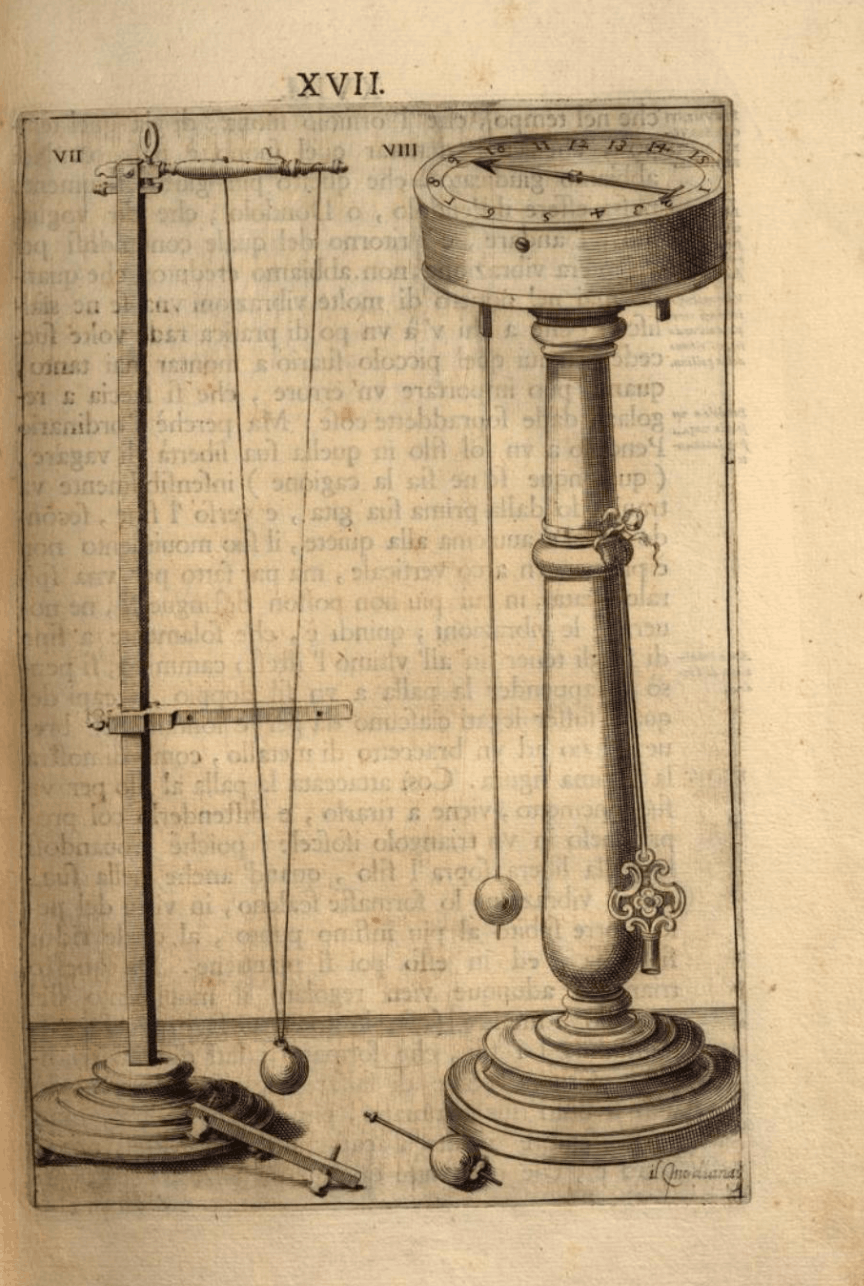
“Saggi di naturali esperienze” is the first—and only—published work that came out of the short-lived Florentine Accademia del Cimento. The Academy was founded by the Medici family in 1657 with Grand Duke Ferdinand II and his brother Leopold as the first two members. I think it is fair to say that it started largely as a vanity project meant to produce a deliverable to spread the Grand Duke’s fame. Indeed, “Saggi…” was often gifted during embassies. However, it does not mean it was a front. The family definitely meant business from the get-go, allowing the academy to use the grand Palazzo Pitti for their headquarters and presentation spaces.
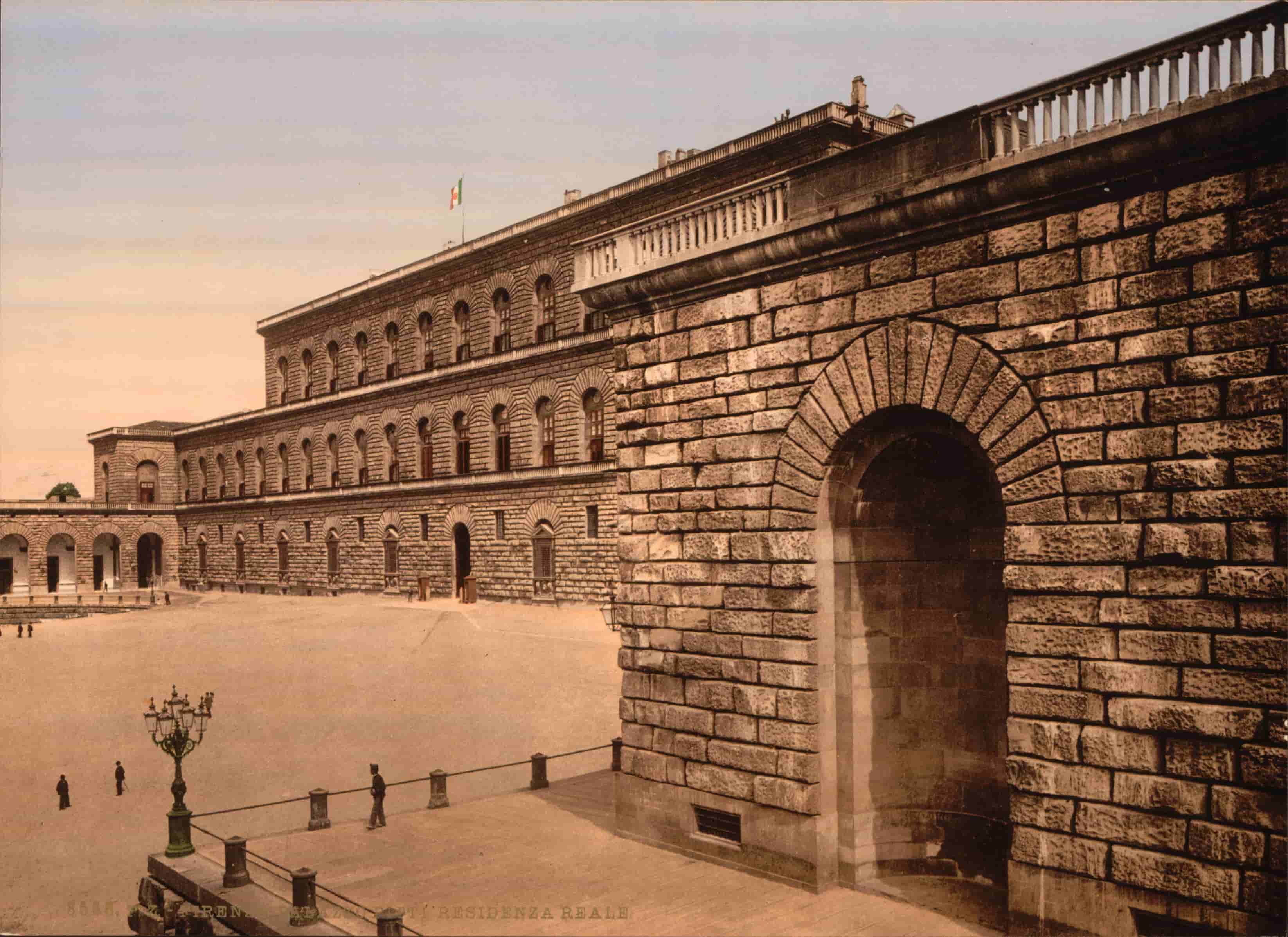
And space they needed, as very quickly public experiments became the number one activity organized by the institution. Meetings of the Academy consisted primarily of staging and repeating experiments, usually requiring special instrumentation. It had been first produced by the experimenters themselves but the demand was so large that skilled craftsmen were soon giving them run for their money.
This volume is a great record of that public activity—and it seems it was meant as such. It was published anonymously, probably to be the business card of the institution and a bragging point for the Medici family; other names could distract readers from appreciating the academy’s founders! It could be even read as sort of a catalogue of what the Academy could exhibit.
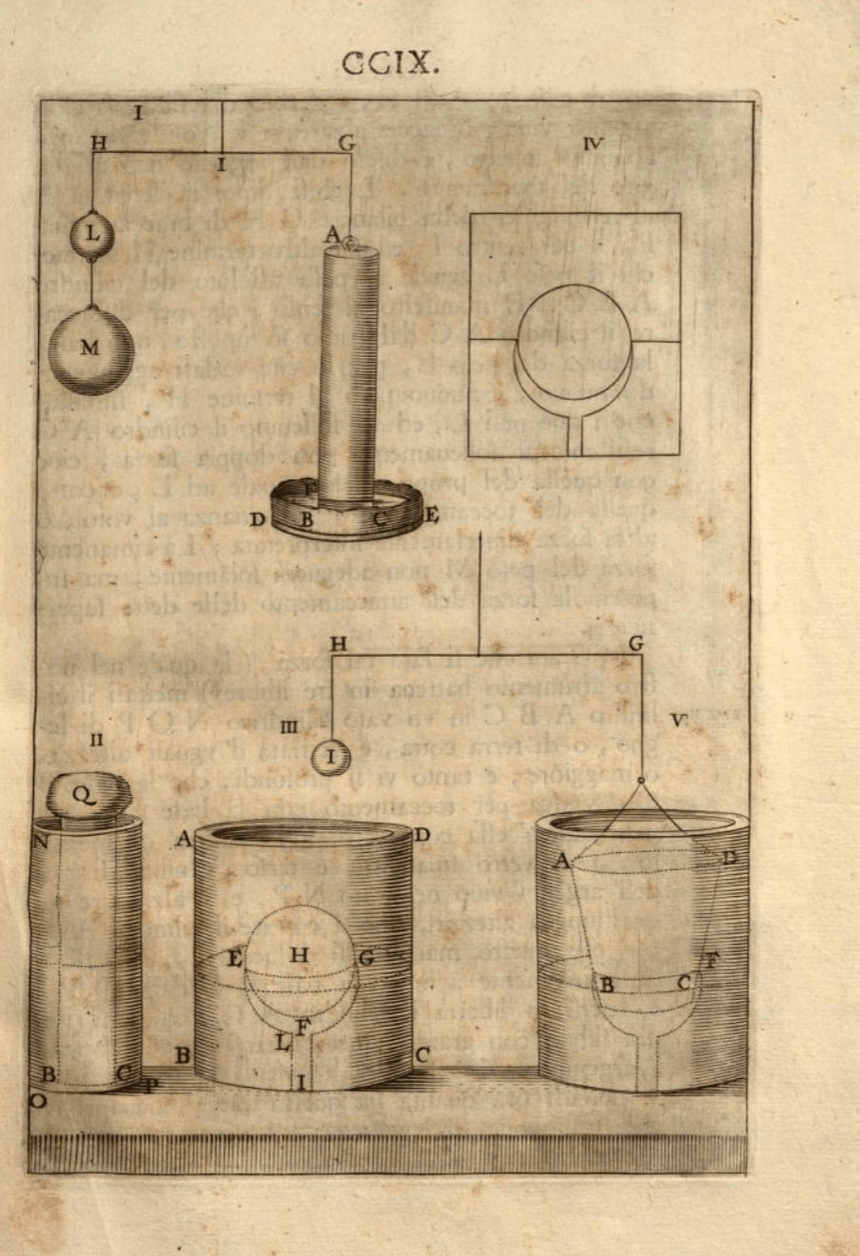
The book starts with the descriptions of instruments used in the experiments. It describes separately the instruments meant to measure the “changes of air” (cf. p. 3, 6, 8), air humidity (p. 13) and time (p. 21). The rest of the book is more of a laboratory notebook describing procedures step by step and what the experiments were attempting to show. It documented experiments like measuring air pressure, the water-air interactions, or dissolving pearls and corals. However, contrary to the title, these could hardly be called essays. There was not much discussion present on its pages, with more controversial and innovative work under way, although ultimately never released to the public.
“Saggi…” reads more like a report of accomplishments presented to the funding committee—which it probably was. It could be seen as a manual for future experimental institutions to follow, the minimal standard of what one should be able to produce, and, indeed, it inspired other experimental academies in Italy—and arguably abroad. It would make a beautiful coffee table book!